Physiotherapy Glossary
Physiotherapy Glossary
Hi, my name is Eve. I have been studying Physical Rehabilitation at Montmorency College for 2 years. If you didn't know in Quebec, college is the level immediately after high school. So, we can choose a field of study that we like, and we can do a pre-university program for 2 years or a technique for 3 years. My program is a technique, and we learn all the parts of the human body. There are several courses where you will learn about bones, muscles, nerves, arteries, and veins. We learn about several pathologies that we will treat in the future. We also learn a lot of techniques to help the patient regain their abilities after an injury or a particular condition. I think my glossary will help the other student to understand some of the principal injury that we treat, some movement that we learn and some of the subject of the physiotherapy.
- abduction
- noun
- The movement of a limb or other part away from the midline of the body, or from another part.
- Example: In incomplete tears or painful arc syndrome power of ABDUCTION is retained but movement is painful.
- en: abduction

- adduction
- noun
- The movement of a limb or other part toward the midline of the body or toward another part.
- Example: ADDUCTION is unaffected as it is principally achieved by pectoralis major and lattisimus dorsi.
- en: adduction
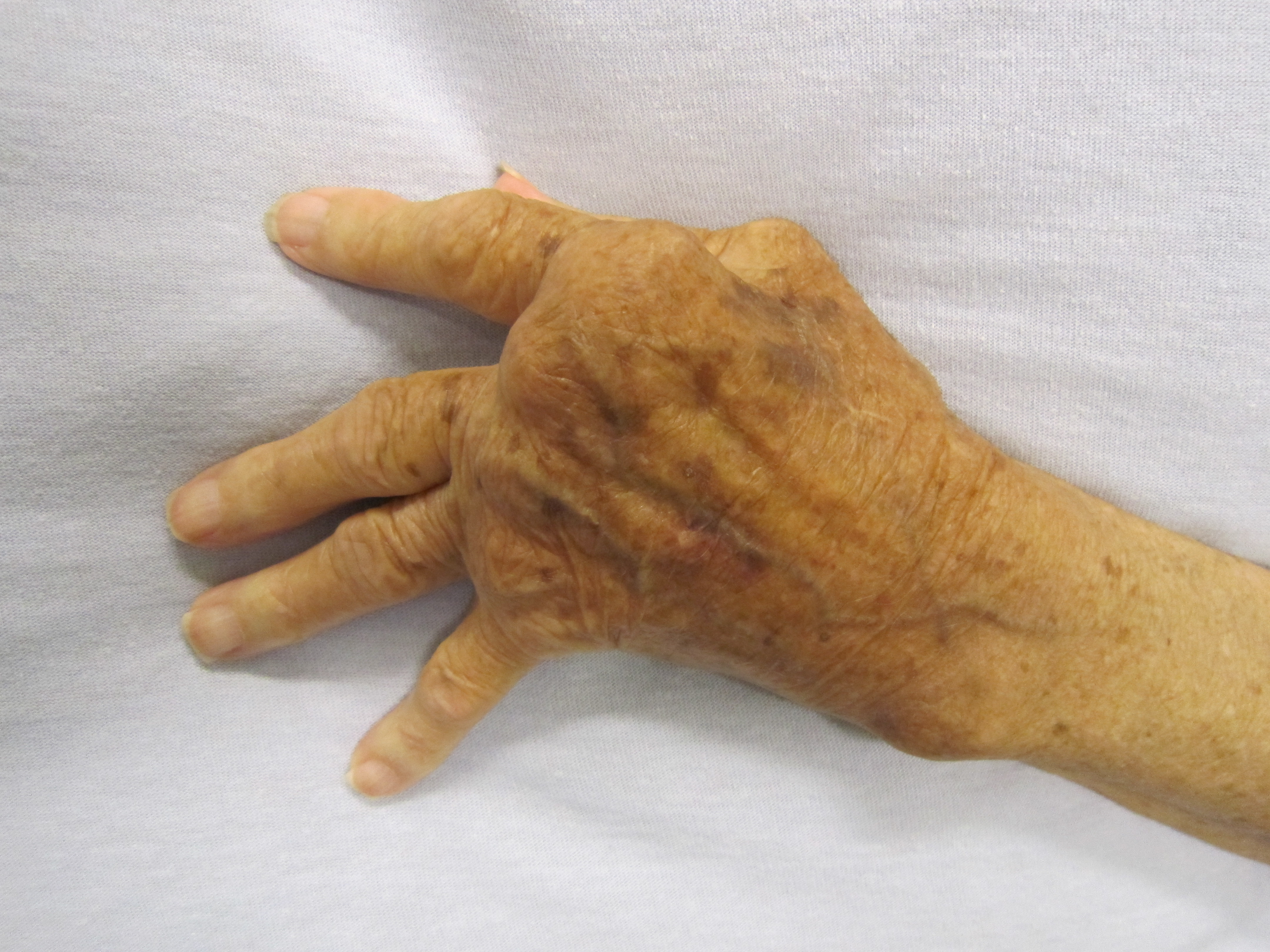
- arthritis
- noun
- Arthritis means inflammation or swelling of one or more joints. It describes more than 100 conditions that affect the joints, tissues around the joint, and other connective tissues. Specific symptoms vary depending on the type of arthritis, but usually include joint pain and stiffness.
- Example: However the most common bone affliction to be found was ARTHRITIS.
- en: arthrite
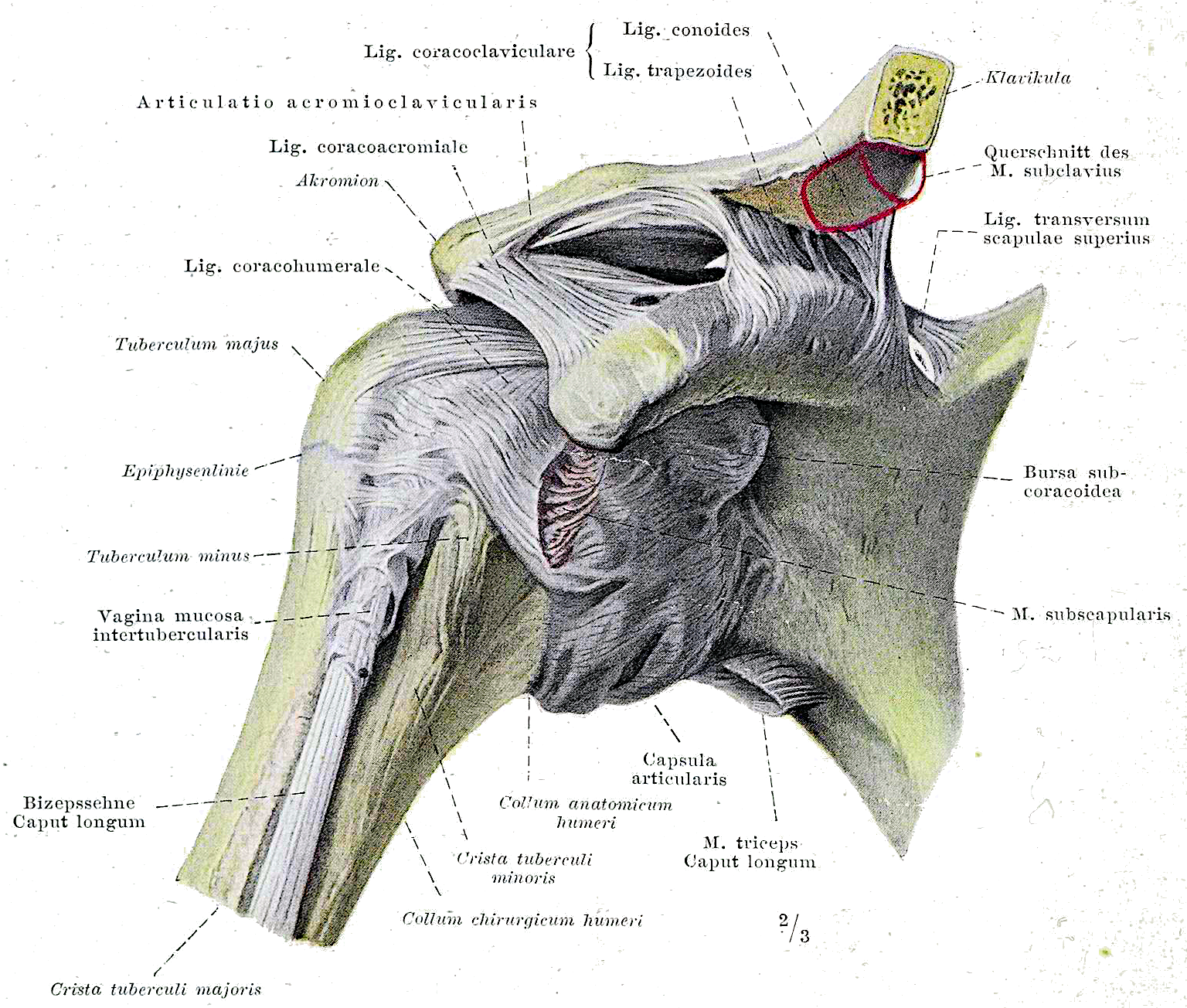
- articulation
- noun
- A joint or juncture between bones or cartilages in the skeleton of a vertebrate.
- Example: The treatments mentioned may be just body dumping however the repetition of the use of a site and the ARTICULATION of the bodies do show some sort of processing of the dead.
- en: articulation
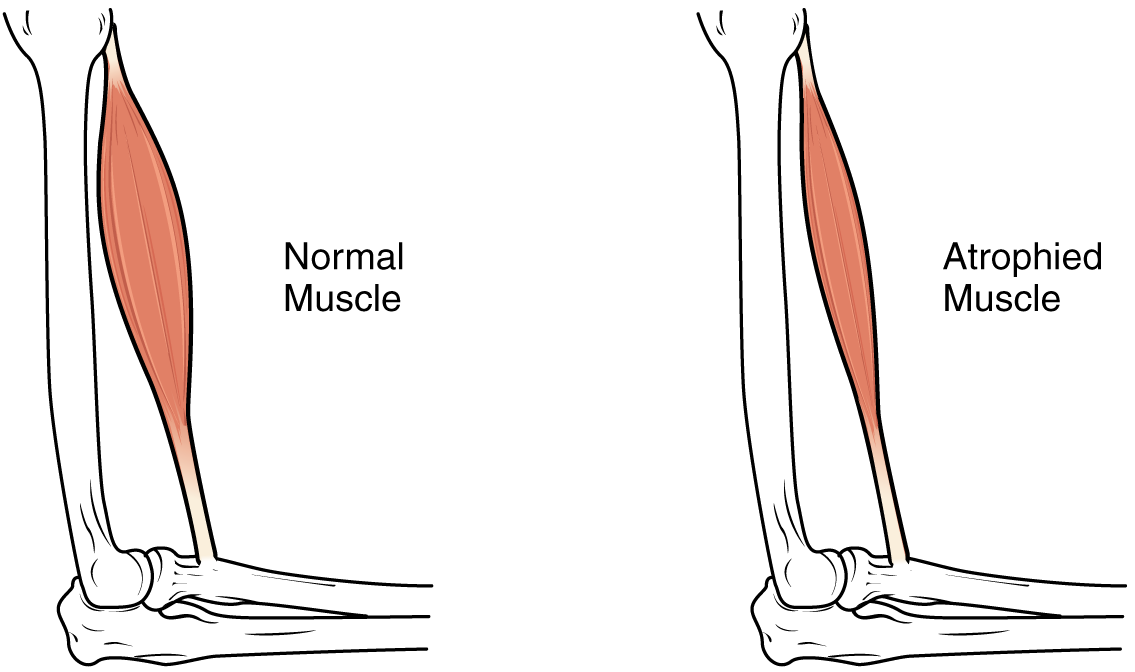
- atrophy
- verb
- (of body tissue or an organ) Waste away, especially as a result of the degeneration of cells, or become vestigial during evolution.
- Example: Progressive muscular ATROPHY.
- en: atrophie
- biomechanics
- noun
- The study of the mechanical laws relating to the movement or structure of living organisms.
- Example: It has been proposed that repetitive use of the arm can affect the biomechanics of the upper limb or cause damage to tissues.
- en: biomécanique

- dislocation
- noun
- Injury or disability caused when the normal position of a joint or other part of the body is disturbed.
- Example: The leg would not appear like this if the injury was an anterior or posterior DISLOCATION.
- en: luxation

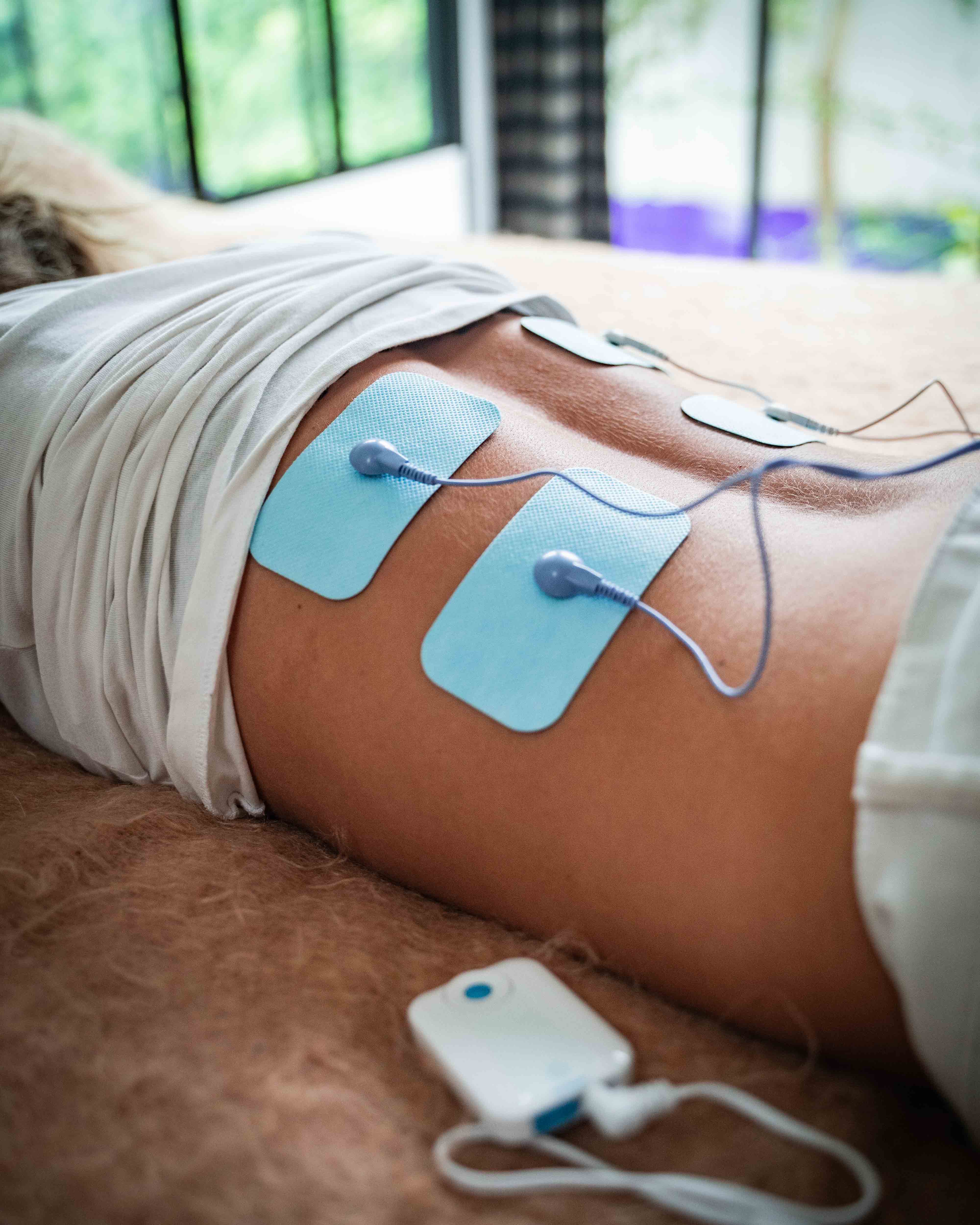
- electrotherapy
- noun
- The use of electric currents passed through the body to stimulate nerves and muscles, chiefly in the treatment of various forms of paralysis.
- Example: Over the past 16 years he has received numerous episodes of physiotherapy, ELECTROTHERAPY, steroid injections.
- en: électrothérapie
- extension
- noun
- Extension is the opposite of flexion, a straightening movement that increases the angle between body parts.
- Example: Introduction Functional activities that involve simultaneous knee EXTENSION and hip flexion are dependant on hamstring extensibility.
- en: extension
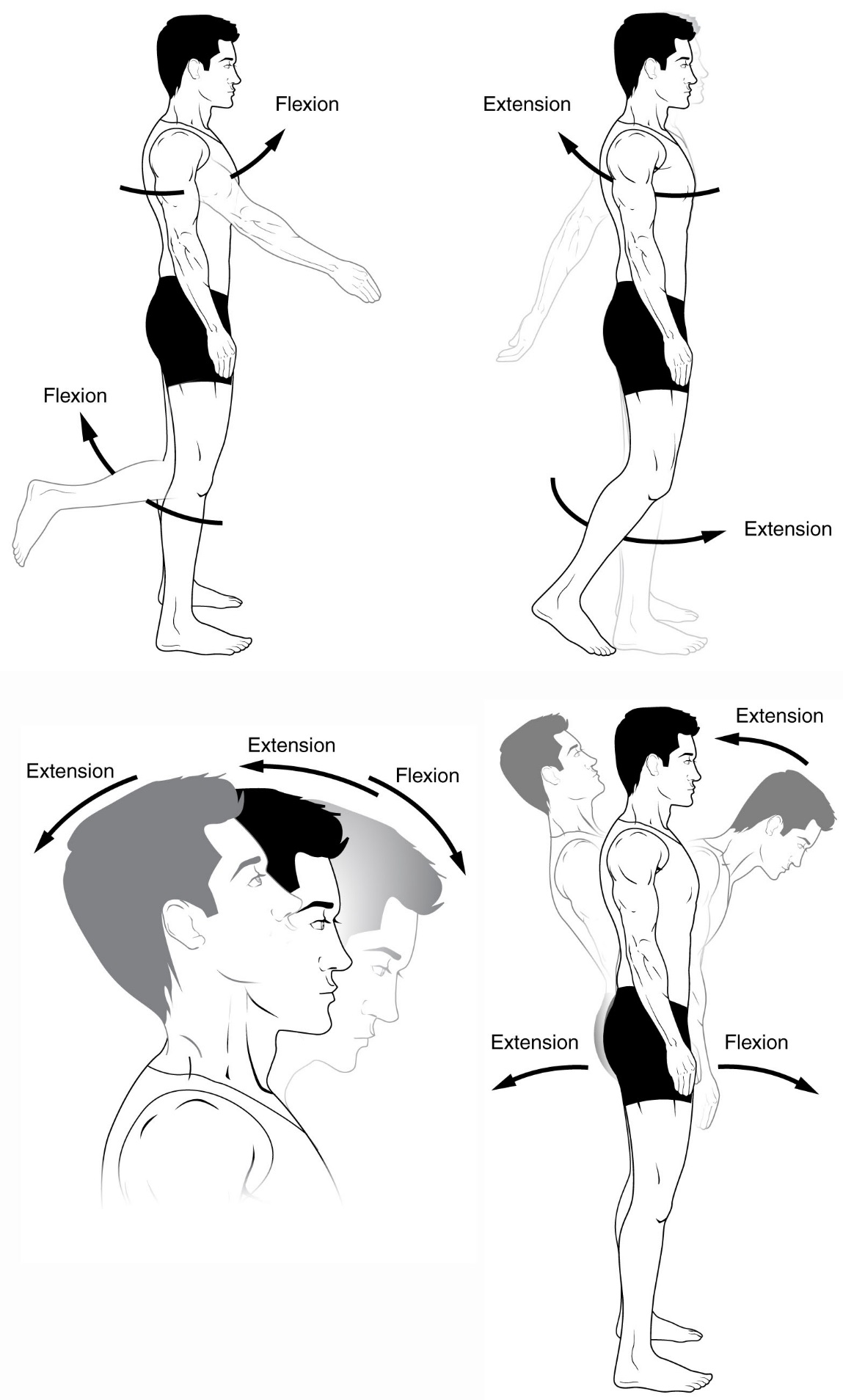
- flexion
- noun
- The action of bending or the condition of being bent, especially the bending of a limb or joint.
- Example: The opposite movement of hip FLEXION and knee extension is employed in the SLR and stretches the hamstrings over both joints.
- en: flexion
- fracture
- noun
- A crack or break in a hard object or material, typically a bone or a body of rock.
- Example: Bone is not a static tissue and it is constantly remodelling in reaction to new stresses in order to maintain the highest protection against FRACTURE.
- en: fracture

- hydrotherapy
- noun
- The use of exercises in a pool as part of treatment for conditions such as arthritis or partial paralysis.
- Example: Exercises maintain muscle power and improve the mobility of weight-bearing joints. HYDROTHERAPY may be useful.
- en: hydrothérapie

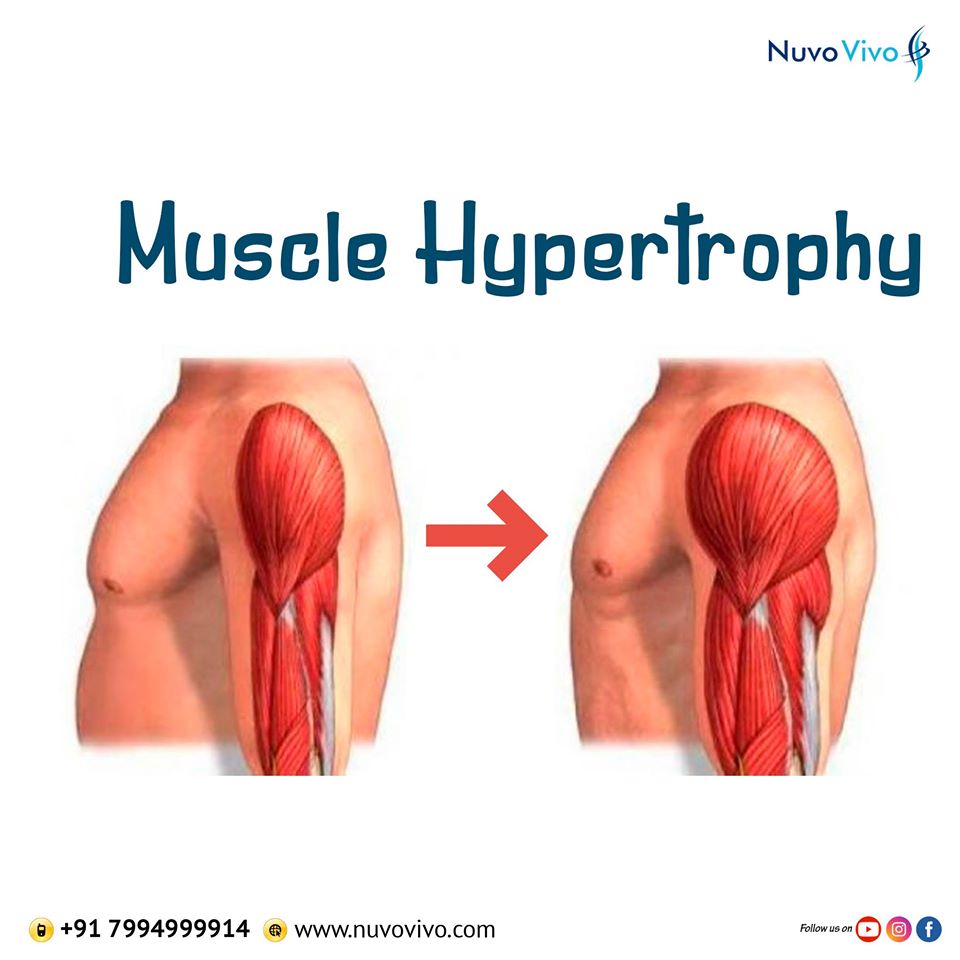
- hypertrophy
- noun
- The enlargement of an organ or tissue from the increase in size of its cells.
- Example: The hypertrophy of the muscle fibers.
- en: hypertrophie
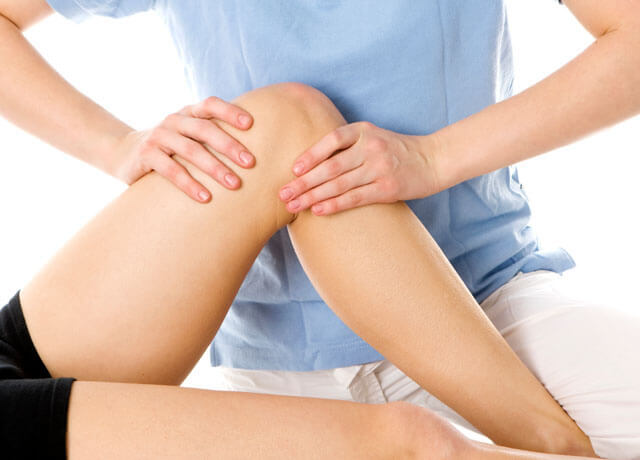
- mobility
- noun
- The ability to move or be moved freely and easily.
- Example: This exercise helps retain mobility in the damaged joints.
- en: mobilité
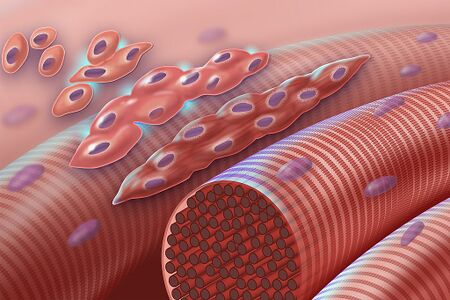
- myocyte
- noun
- A muscle cell.
- Example: Within a normal heart, capillaries are located next to almost every cardiac myocyte.
- en: myocyte
- physiology
- noun
- The branch of biology that deals with the normal functions of living organisms and their parts.
- Example: Just because primates are a close resemblance to human PHYSIOLOGY and genetics, does not mean they are a suitable substitute for an exact match.
- en: physiologie
.jpg)
- pronation
- noun
- Rotation of the hand and forearm so that the palm faces backwards or downwards.
- Example: This entirely normal inward rolling is called pronation.
- en: pronation

- sprain
- noun
- Wrench or twist the ligaments of (an ankle, wrist, or other joint) violently so as to cause pain and swelling but not dislocation.
- Example: On he went to the GP, who was initially treating him for a muscular SPRAIN.
- en: entorse

- supination
- noun
- Supination is a rotational movement of the forearm at the radioulnar joint, or of the foot at the subtalar and talocalcaneonavicular joints.
- Example: On examination, Phalens test is negative and the pain can be elicited by resisting flexion of the elbow with the arm in SUPINATION.
- en: supination
- thermotherapy
- noun
- The use of heat in conventional or alternative medicine, especially for the relief of muscular pain or stiffness.
- Example: Thermotherapy is the best option for relieving pain from muscle spasms or cramps.
- en: thermothérapie
